What was the Client Requirement?
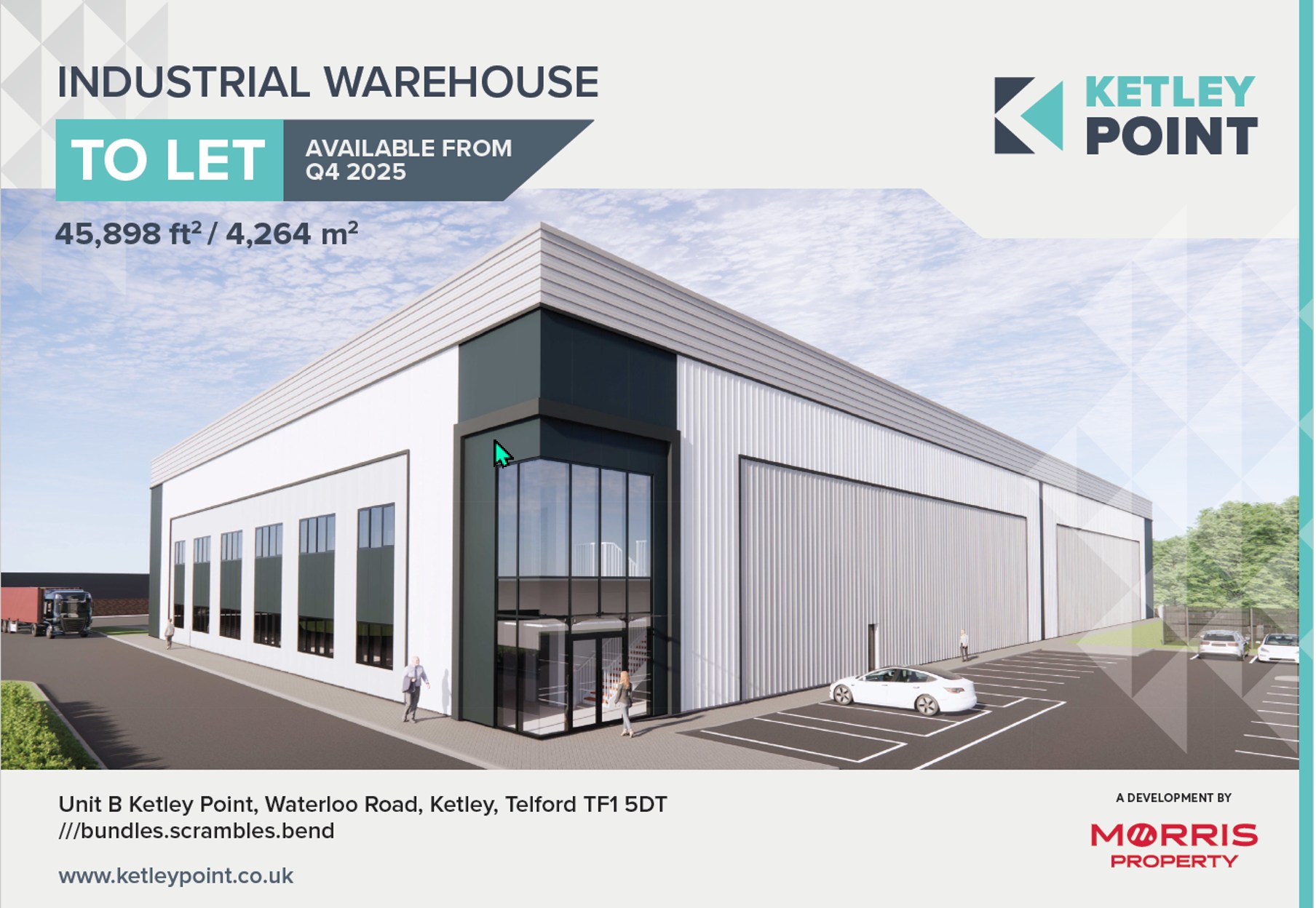
Morris Property instructed Apogee to provide a full utility turnkey, full-development life-cycle consultancy service for a prestigious new industrial estate in Ketley, Telford. The site required a Full Utility Search in compliance with PAS128 & HSG47, as well as a Site Investigation and management of the development’s connections and any relevant diversions and disconnections. The site is the former location of a print works and had several unique challenges related to its existing utilities and legal status. The client’s requirement was to maximise electrical and gas capacity for heating.
What was the Apogee Solution?
Apogee provided its full range of utility consultancy services to identify and manage utility conflicts and deliver solutions for this project. Along with the usual Utility Search, a full CDM Risk Assessment and site investigation, management of new connections and diversions, and a point-of-capacity check, Apogee managed all utility remediation for the development throughout the planning and design stages and well into construction. Maximising gas usage for heating was important to reserve the highest level of electrical capacity from the new 1MVA substation, which was carefully positioned on site. Apogee also recommended multi-circuit telecommunications connectivity to provide commercial resilience.
What was the result of the report?
Apogee policy is to recommend that clients examine both gas and electricity heating feasibility. This ensures options are not limited later in connectivity decisions and that electrical capacity is not used where gas could have been. Clients should be aware that limiting end-user choice in their initial connection strategy can make the properties less attractive to potential purchasers or tenants.
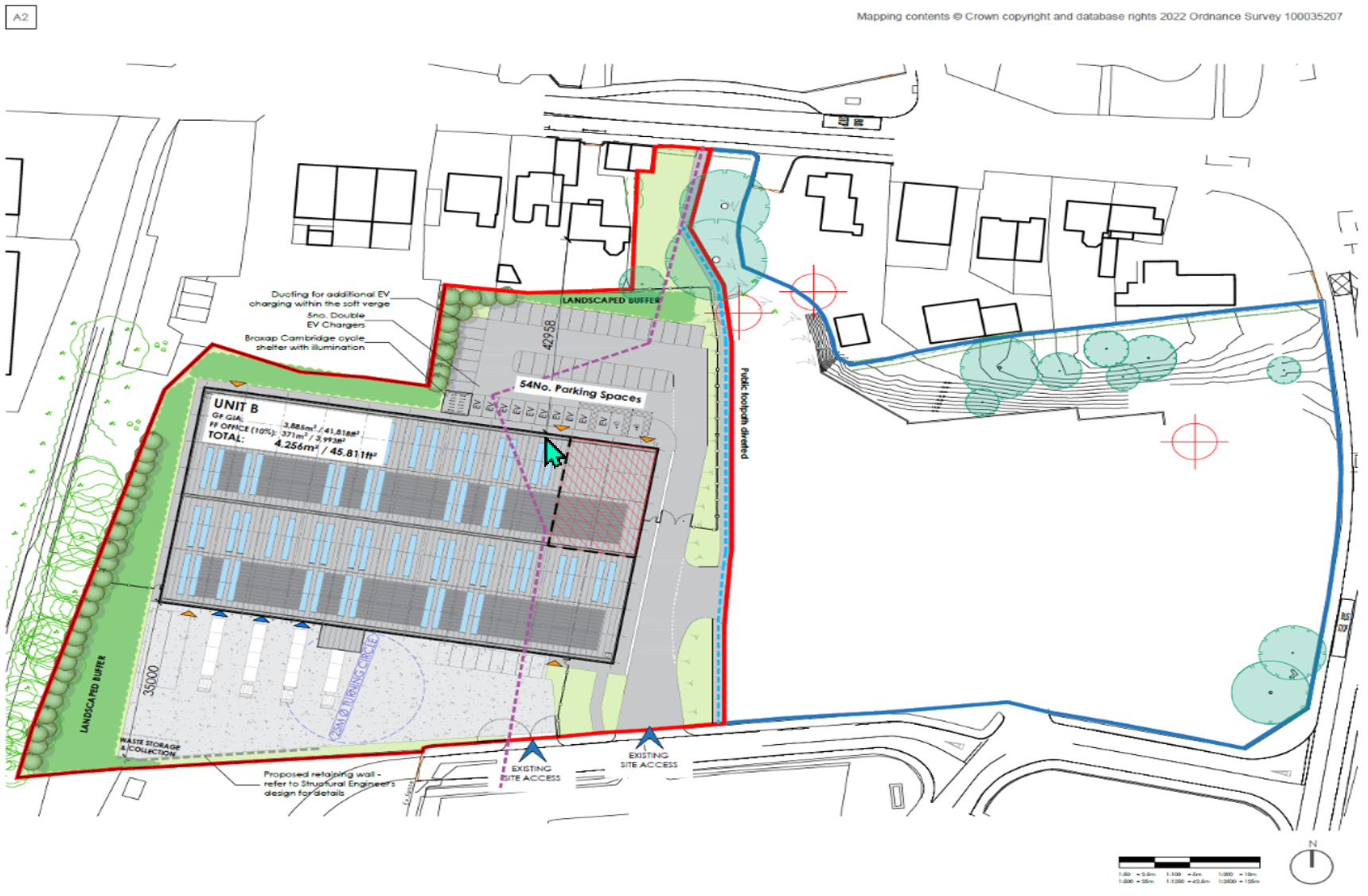
The site was complex, with several utilities to be managed alongside an adjacent commercial and retail site the client also sought to develop, which added further complexity to the substation’s design and location. The road to the South of this development was a private road which serviced several local businesses, making negotiations for its closure far more complex and ultimately impractical. The shared northern access also complicated its use because of limited space and the presence of an existing, obsolete water plant, along with multiple road closures. The Apogee team recognised the importance of adopting the right legal strategy to give the site owner the ability to make changes and allow multiple telecoms and other infrastructure options access to the site in future.
This, along with our decades of expertise in connecting sites, meant we could find connection points for all utilities using a mix of access routes, including the North, South, and via a services strip across the adjacent commercial unit.
Naturally, due to the site’s complex nature, some of the Apogee team got out on site to inspect the features and assess the nearby site boundaries – every inch of space mattered here!
What was the result of the telecommunications connectivity strategy?
Apogee recommended that the client procure both the well-known FTTP (standard Fibre To The Premises) and the lesser-known EAD (Ethernet Access Direct) from Openreach using their relatively new DNIA (Developer Network In Advance) capabilities. Openreach now has processes that bring their commercial-grade high-speed internet circuits down to the site, ready for immediate connections as soon as a developer has completed their on-site ducting work. This shortens connection times and provides for multi-circuit resilience.
To increase options for future occupiers, Apogee also recommended using a local Altnet: Exascale Ltd, who was discovered to have a high-speed POP (Point of Presence) relatively close to the site, and the client accepted that the investment in improved connectivity and increased commercial broadband speed availability would make this substantial commercial development more marketable.
Why was the client delighted?
The Client was delighted to learn that there was nothing preventing the development – capacity to supply the site existed for the main utilities and telecoms networks and nearby points of connection were available. The site is available for sale or let with all utilities connected. The electrical capacity was improved using gas heating and enables all EV charging options, with high speeds reserved for the future. The site has three telecommunications connectivity options, meaning it is marketed with maximum internet connectivity resilience and up to 100G broadband connectivity.
View our Full Utility Search reports from this web link – click here to view more.
About the client:
Morris Property is a forward-thinking property company spanning development, construction and portfolio management. A highly collaborative partner in realising any development vision, Morris is based in Shrewsbury and has a reputation built over 100 years in commercial and residential property, development and investment. Proud to be a part of a fifth-generation family business group, Morris has a wide portfolio of over 200 developments across Shropshire and adjacent counties and is one of the area’s most established and trusted institutions.
What did the client say (Testimonial)
James West, COO of Morris, says: “We have been impressed by Apogee’s understanding of utility processes, and it is clear to understand how their methodologies are going to bring value to our development life cycle. They are off to a great start, and we look forward to developing the relationship into the future.”
Who else would buy this?
Our full turnkey consultancy services are ideal for Clients and Project Managers, Developers, Local Authorities Consultants, Architects, Design & Build Contractors, Highways Scheme promoters and Surveyors. Anyone involved in a residential or commercial development who would benefit from understanding the risks and costs that come with utilities would be well placed to talk to us. Even if you are not the source of funds for the development and cost savings are of secondary importance to you, we can help you avoid other inconveniences such as delays and reduce the risk of any accidents or strikes of existing plant, as well as improve due diligence and help you achieve compliance under the relevant guidelines and regulations, namely PAS128 and HSG47. We have decades of experience managing such conflicts across our capable team, including a member who served on the PAS128 steering committee and was personally involved in drafting PAS128 Quality Level D.
View our case study on Barbers Product Search – TBC