The Great British Switch Off
and what it means for UK businesses, homes, or residential users
INTRODUCTION
The Great British Switch Off refers to the nationwide retirement of the Public Switched Telephone Network (PSTN), the copper-based telephone system that has supported UK landline communication for decades.
By 31 January 2027, traditional analogue phone lines and ISDN services will be permanently switched off and replaced with digital, fibre-based communication services.
This change forms part of the UK’s transition to a modern broadband infrastructure designed to deliver faster speeds, improved reliability, and better support for modern communication technologies.
WHY IS THE PSTN NETWORK BEING SWITCHED OFF
The PSTN network has been the backbone of UK communications since the 20th century. However, the infrastructure is now ageing, costly to maintain, and unable to meet the demands of modern digital services.
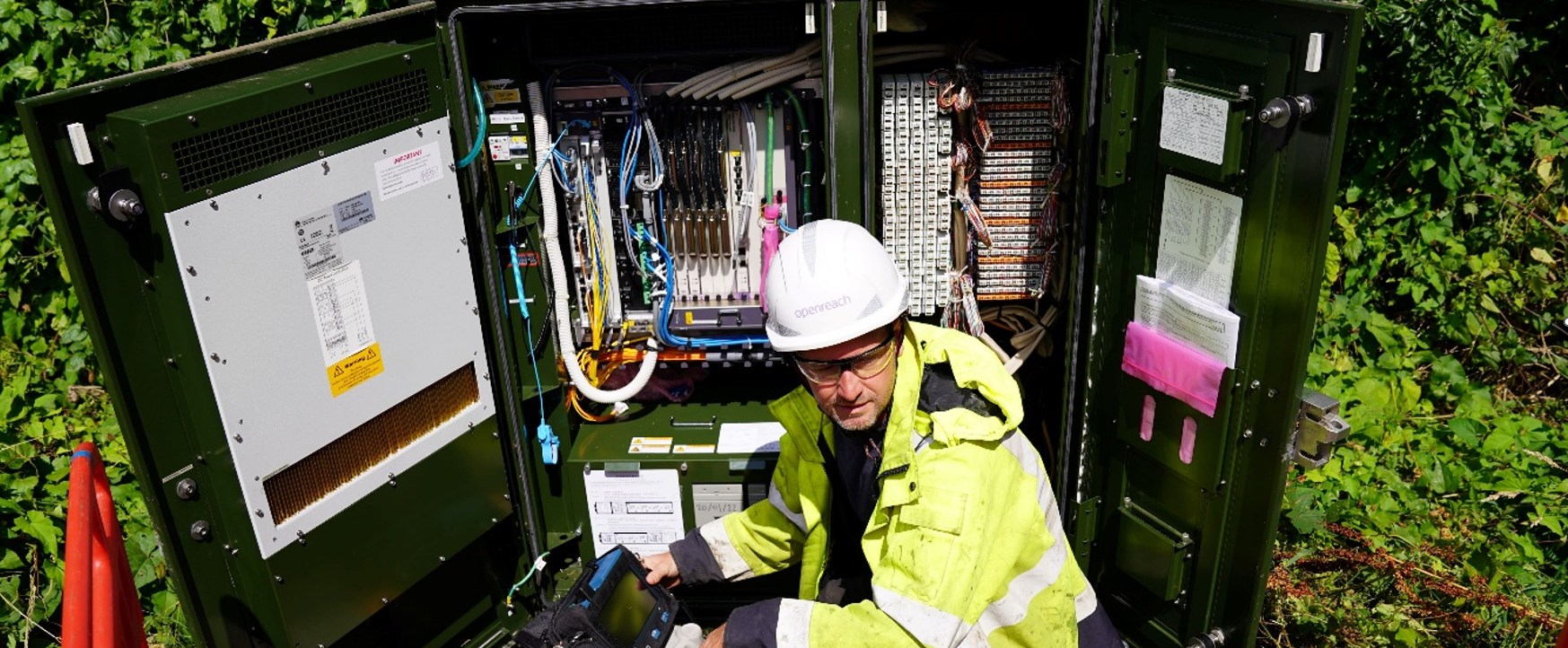
Telecommunications providers, led by Openreach, are transitioning to fibre-first networks that deliver both internet and voice services over a single digital connection.
Key benefits of the new digital infrastructure:
- Faster broadband speeds
- More reliable connectivity
- Improved scalability for businesses
- Support for cloud communications and VoIP services
- Reduced maintenance of legacy copper networks
In September 2023, a nationwide “stop-sell” policy was introduced, preventing providers from selling new PSTN or ISDN lines where fibre services are available.
WHAT TECHNOLOGIES ARE REPLACING PSTN?
As copper lines are phased out, several modern alternatives are replacing traditional telephony.
- Fibre to the Premises (FTTP or EAD) – Full fibre broadband delivers ultra-fast internet speeds directly to homes and businesses via fibre optic cables.
- VoIP (Voice over Internet Protocol) – VoIP allows voice calls to be made over the internet rather than traditional phone lines.
- SOGEA Broadband – Single Order Generic Ethernet Access allows broadband services without requiring a traditional phone line.
Together, these technologies allow voice, data, and digital services to run over the same broadband connection.
DEVICES AND SERVICES THAT COULD BE AFFECTED
The switch-off will impact more than just household landlines. Many devices still rely on PSTN connectivity behind the scenes.
Examples:
- Analogue landline phones
- ISDN business phone systems
- ADSL and FTTC broadband connections
- Payment card terminals
- Alarm and security systems
- Lift emergency phones
- Fax machines
If these systems are not upgraded or replaced before the deadline, they may stop functioning once PSTN services have been retired.
KEY DATES IN THE SWITCH-OFF TIMELINE
|
YEAR |
MILESTONE |
|
2017 |
Openreach announces PSTN retirement plans |
|
September 2023 |
Nationwide stop-sell for new PSTN services |
|
2023–2026 |
Migration to fibre and digital services |
|
31 January 2027 |
PSTN and ISDN networks will be permanently switched off |
During this period, telecommunications providers should be actively migrating customers from copper networks to digital voice services.
WHAT BUSINESSES AND HOUSEHOLDS SHOULD DO NOW
To avoid disruption, organisations and homeowners should begin preparing for the transition as early as possible.
Recommended steps:
- Audit your current systems and identify any devices or services that rely on PSTN connections.
- Upgrade broadband connectivity, consider switching to full fibre (FTTP or EAD) or SOGEA broadband.
- Move to digital voice solutions. Adopt VoIP-based phone systems or digital voice services.
- Check the compatibility of critical devices to ensure alarms, payment terminals, or any monitoring systems support digital networks.
Early preparation will help ensure a smooth transition without service interruptions.
FINAL THOUGHTS/SUMMARY/CONCLUSION
The Great British Switch Off represents one of the most significant changes to the UK’s communications infrastructure in decades. While the retirement of copper phone lines marks the end of an era, the shift to fibre and digital networks will provide the foundation for faster, more reliable, and future-ready connectivity.
With the 2027 deadline approaching, both businesses and households should begin reviewing their communications infrastructure now to ensure they are ready for the transition.